
Heat Pump Installation
Efficient, low-carbon heating designed for long-term savings and comfort
The way UK homes are heated is changing. Rising gas and oil prices, tightening efficiency standards, and a national shift towards cleaner energy are prompting homeowners to rethink traditional boilers. In practice, many households in Essex are now looking for a heating system that delivers reliable warmth while lowering running costs over time.
Heat pumps offer a proven alternative. They draw natural heat from the air or ground and convert it into usable warmth for your home, all while using a fraction of the energy required by conventional systems.
At Simcott Renewables, we design and deliver heat pump installation services across Essex, helping homeowners reduce their heating bills, improve energy efficiency, and move towards a sustainable, future-ready home.
The path to low-carbon heating at home

Home Assessment & Heat Loss Survey
We begin by understanding how your home uses and loses heat. Our team carries out a detailed heat loss survey, examining insulation levels, property size, radiators, and existing heating performance. In practice, this allows us to specify a system that is correctly sized for your home, avoiding the common pitfalls of under or over specification.

System Design & Approvals
Once the survey is complete, we design a heating solution tailored to your property. This includes selecting the right unit, planning pipework, and confirming radiator or underfloor heating compatibility. Additionally, we manage all necessary approvals and paperwork, including eligibility checks for the Boiler Upgrade Scheme where applicable.

Installation & Commissioning
Our qualified engineers complete the air source heat pump install or ground source setup efficiently, typically within two to five days depending on system complexity. We commission the system, balance the heating output across your home, and walk you through controls and day to day use. As a result, you benefit from cleaner heating from day one, with full certification for warranty and grant purposes.
What Is a Heat Pump?
A heat pump is a low-carbon heating system that extracts natural heat from outside your property and uses it to warm your home and hot water. Rather than burning fuel, it moves existing heat from one place to another using electricity, which makes it significantly more efficient than a traditional boiler.
For every unit of electricity used, a modern heat pump can deliver three to four units of heat. In practical terms, this means lower running costs and a much smaller carbon footprint.
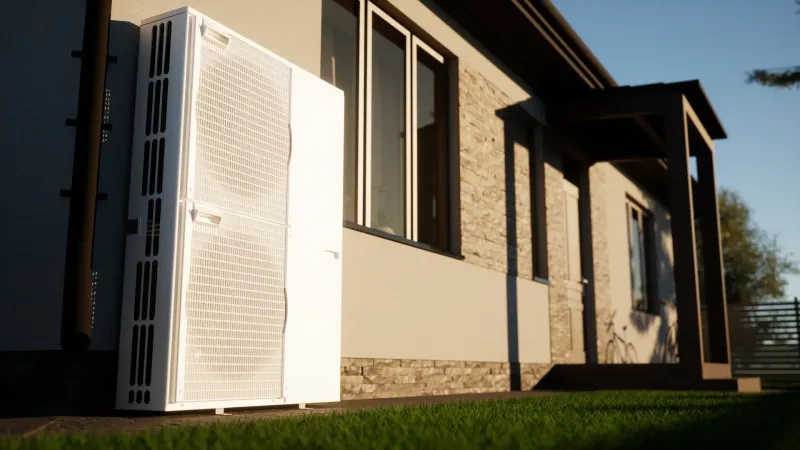
If you are asking what air source heat pump technology is in straightforward terms, it is a compact outdoor unit that absorbs warmth from the ambient air and transfers it indoors through a refrigerant cycle. Ground source systems work on the same principle but draw heat from underground loops instead.
A typical system includes:
- An outdoor heat pump unit (air or ground source)
- A hot water cylinder to store heated water
- Upgraded or compatible radiators, or underfloor heating
- Smart controls for temperature and scheduling
Key Benefits of Heat Pumps
Lower Heating Costs
Heat pumps are three to four times more efficient than gas or oil boilers. As a result, homeowners can see meaningful reductions in annual heating bills, particularly when replacing older oil systems or electric heating.
Reduced Carbon Footprint
Because they rely on renewable heat from the environment, heat pumps significantly lower household carbon emissions. This supports both personal sustainability goals and the UK's wider decarbonisation targets.
Reliable Year-Round Performance
Modern units operate effectively even in cold UK winters, maintaining consistent indoor temperatures without the temperature swings common with older systems.
Long Operational Lifespan
A well installed heat pump typically lasts 20 years or more, offering long-term value and stable heating costs across decades.
Improved Property Value and EPC Ratings
Low-carbon heating is increasingly factored into property valuations and energy performance certificates, making heat pumps for homes a forward-looking investment.

Types of Heat Pumps
Choosing the right system depends on your property, outdoor space, and heating requirements. Our air source heat pump installations and ground source options cover the two main approaches used across UK homes.
Air Source Heat Pumps
Air source systems are the most widely installed type in the UK. They extract heat from the outside air using a compact outdoor unit, making them suitable for most properties, including homes without significant outdoor space. Air source heat pump installation is typically faster and less disruptive than ground source alternatives, which is why it suits the majority of homes across Essex.
Ground Source Heat Pumps
Ground source systems draw heat from underground using buried pipework, either in trenches or vertical boreholes. They require more land and a higher initial investment, but they deliver strong efficiency and stable performance year-round. These systems are particularly well suited to larger properties and rural homes.
In practice, most homeowners asking should I get an air source heat pump will find that an air source unit offers the best balance of performance, cost, and installation simplicity.
Costs and Savings
The cost of heat pump installation depends on the type of system, property size, heat demand and any supporting upgrades required.
Air source heat pumps are usually the most common and lower-cost option for UK homes. Ground source systems typically cost more because of the groundworks involved.
Eligible homeowners may be able to access Boiler Upgrade Scheme funding, which can significantly reduce the upfront cost. Funding levels and eligibility can change, so we confirm the latest position during your assessment.
Eligible residential heat pump installations may also benefit from 0% VAT.
Running Cost Savings
Running cost savings vary from home to home.
Homes replacing oil boilers often have the strongest potential savings because oil prices can be volatile. Gas boiler replacements can also deliver long-term benefits, particularly where the property is well insulated or the heat pump is paired with solar panels.
Your final saving depends on your current heating system, insulation, electricity tariff, heat pump performance and how the heating is used.
As part of your quote, we provide a tailored forecast based on your property and current heating setup.

Why Heat Pumps Are Growing in the UK
Heat pump adoption is accelerating across the UK, driven by a combination of environmental policy, financial incentives, and changing homeowner priorities. The government has committed to phasing out new gas and oil boilers in the coming years, and funding support through the Boiler Upgrade Scheme has made switching more accessible than ever.
Additionally, modern units are quieter, more compact, and more efficient than earlier generations, addressing many of the concerns homeowners once had. For households searching for an air source heat pump near me or considering heat pumps essex as a long-term heating solution, the technology is now well established and widely supported.
As a result, heat pumps are becoming a practical choice for homeowners who want to reduce bills, lower emissions, and future-proof their home before fossil fuel heating becomes harder and more expensive to maintain.
Why Choose Simcott Renewables
Installing a heat pump is a long-term investment, and the quality of the installer directly affects performance, efficiency, and comfort. At Simcott Renewables, we combine technical precision with clear, honest guidance to deliver systems that perform as expected for decades.
We provide:
- MCS-certified air source heat pump installation near me for homeowners across Essex
- Detailed heat loss surveys and correct system sizing
- Trusted manufacturers with strong warranty support
- Guidance on Boiler Upgrade Scheme eligibility and applications
- Local expertise and aftercare
Additionally, we are experienced air source heat pump installers Essex residents rely on, supporting homes across the region, including Colchester and Chelmsford. This local understanding helps us design systems that suit the housing stock, climate, and energy usage patterns we see every day.

Speak to Simcott Renewables
Heating accounts for a significant share of household energy use, and moving to a low-carbon system is one of the most impactful steps you can take for your home's efficiency, running costs, and long-term value. If you are considering heat pump installation Essex homeowners can trust, the next step is a straightforward assessment of your property.
Speak to Simcott Renewables today and take the first step towards efficient, sustainable, future-ready heating.
Frequently asked questions
Frequently asked questions
Do air source heat pumps work in cold weather?
How much could I save with a heat pump?
Will a heat pump heat my whole home?
How long does heat pump installation take?
Will scaffolding be needed for heat pump installation?
Do I need to replace my radiators for a heat pump?
Am I eligible for the Boiler Upgrade Scheme?
How much does heat pump installation cost in the UK?
What is the difference between air source and ground source heat pumps?
Are heat pumps worth it in the UK?

Commercial Solar Panels
Commercial solar panels designed to reduce energy costs, improve efficiency and support long-term business energy strategies across the UK.
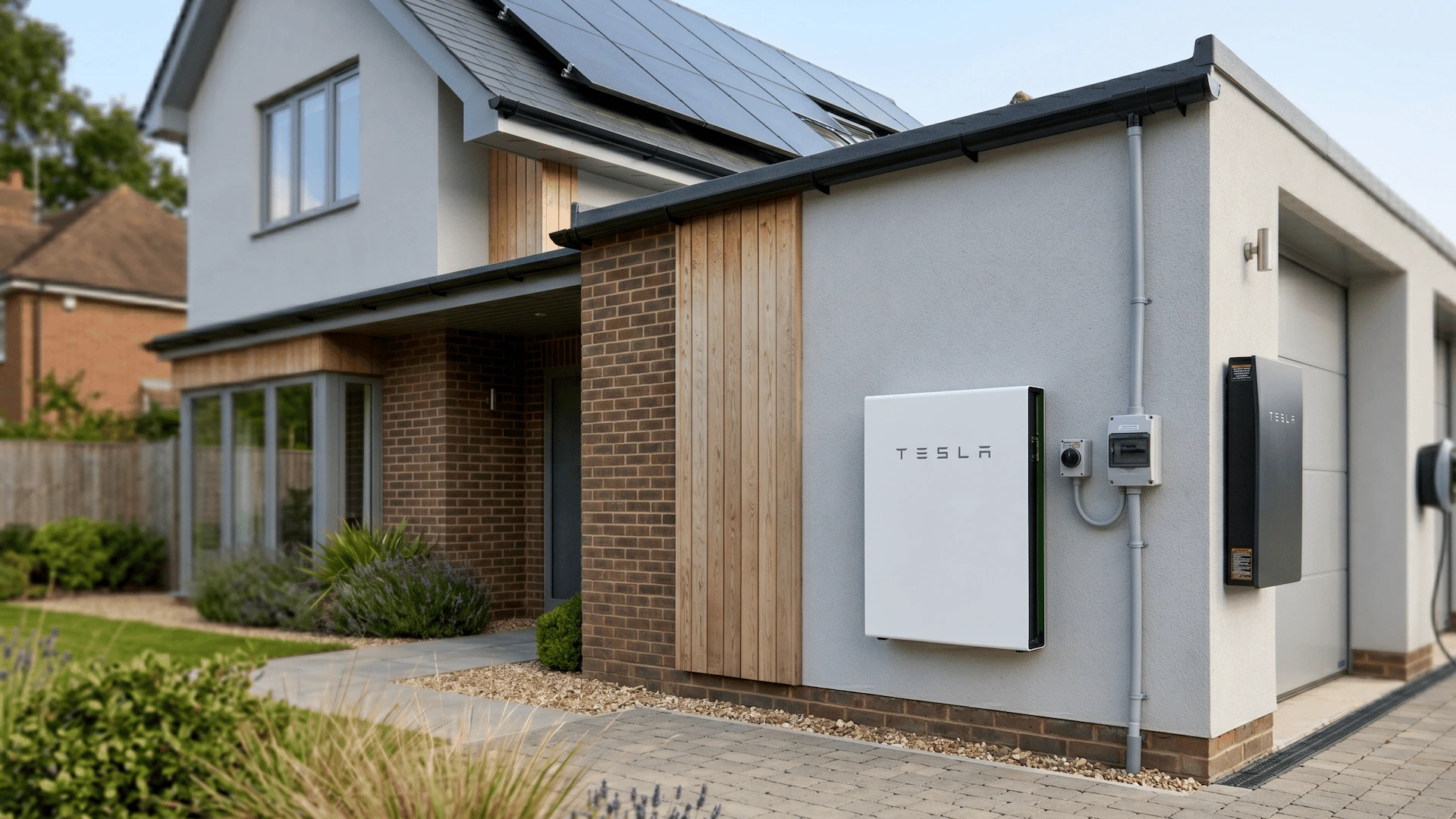
Battery Storage
Learn about home battery storage from Simcott Renewables. See options, benefits, proof and the best next step for your property in Essex and nearby areas.
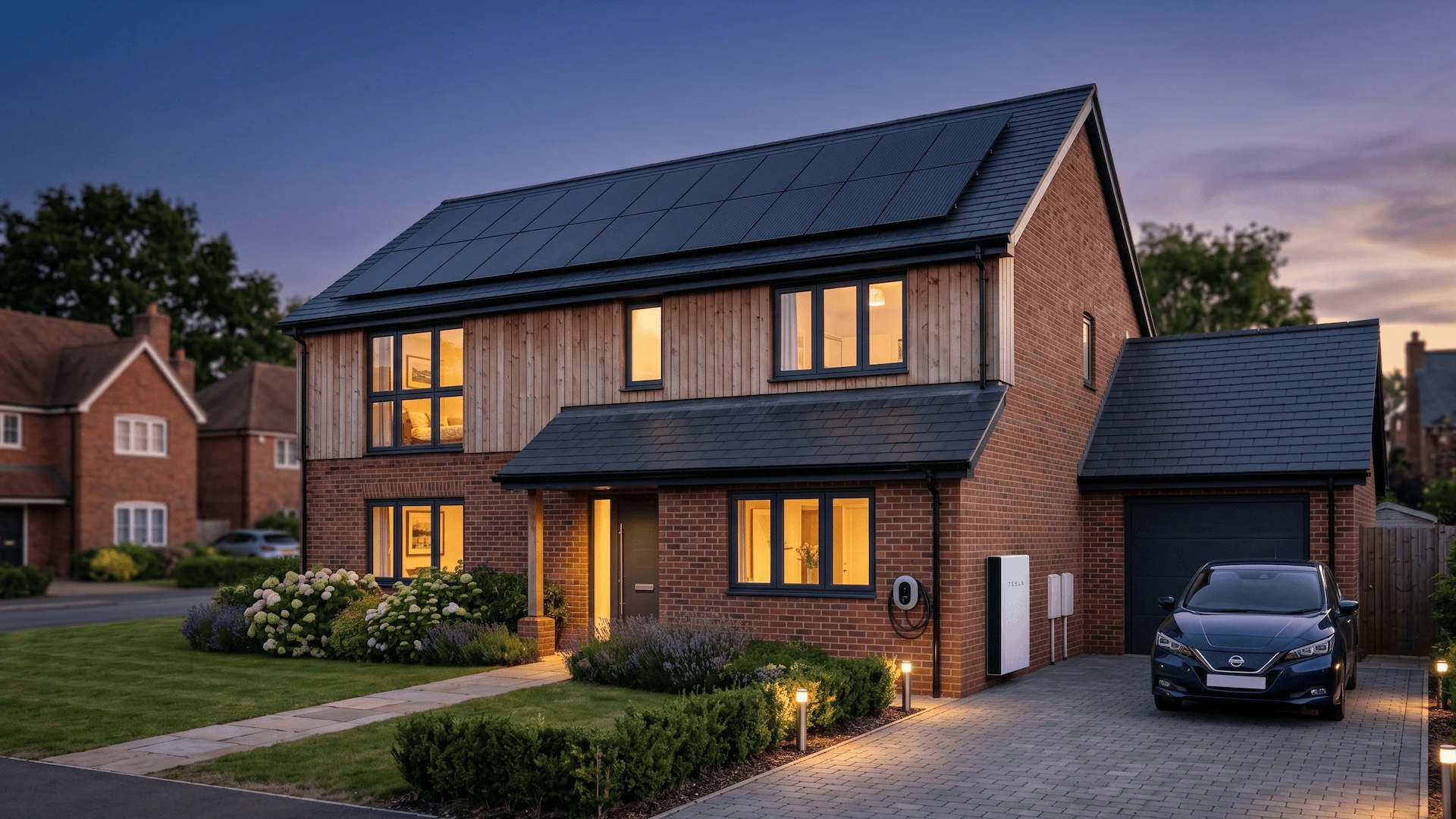
Solar & Battery Bundles
Learn about solar & battery bundles from Simcott Renewables. See options, benefits, proof and the best next step for your property in Essex and nearby areas.
Heat Pump Installation
Learn about heat pumps from Simcott Renewables. See options, benefits, proof and the best next step for your property in Essex and nearby areas.
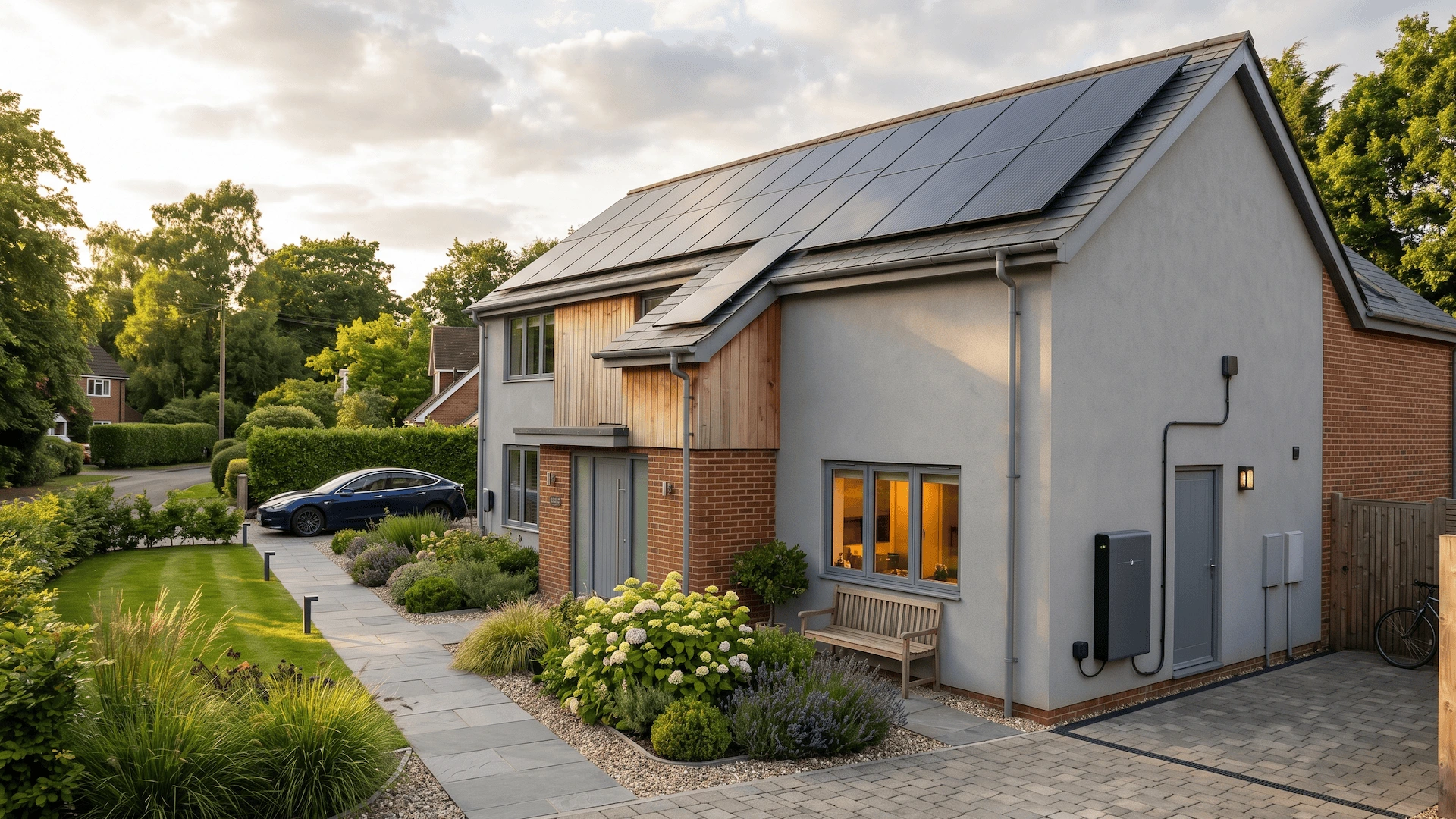
Home Solar Panels
Learn about home solar panel installations from Simcott Renewables. See options, benefits, proof and the best next step for your property in Essex.