
Solar Panels With Battery Storage
Generate more, store more, and take greater control of your home's energy
Solar panels alone are a strong investment. In practice, however, a significant portion of the energy a solar system generates during the day goes unused if there is no way to store it. Without battery storage, excess electricity is exported back to the grid at a low rate, while households still pay full price for energy in the evening or on cloudy days.
A solar and battery package changes that entirely. By combining solar generation with battery storage, your home captures the energy it produces, stores what it does not immediately use, and draws on that stored energy when the sun is not shining. The result is a system that works harder, saves more, and reduces your reliance on the grid far more effectively than solar alone.
At Simcott Renewables, we design and install complete solar panels with battery storage systems across Essex, tailored to your home's energy usage and long-term financial goals.
The simple path to a complete solar and battery system

Home Assessment & Energy Review
We begin by understanding how and when your household uses energy. This includes your daily consumption patterns, peak usage times, and current energy costs. In practice, this allows us to design a system that is correctly sized for both your solar generation and battery capacity, ensuring you store as much of your own energy as possible rather than exporting it unnecessarily.

System Design & Component Selection
Once your energy profile is understood, we design a complete solar panel and battery installation matched to your property. This covers panel count and placement, inverter selection, and battery capacity. Additionally, we ensure all components are compatible, certified, and from manufacturers with strong warranty and performance records.

Installation & Full System Activation
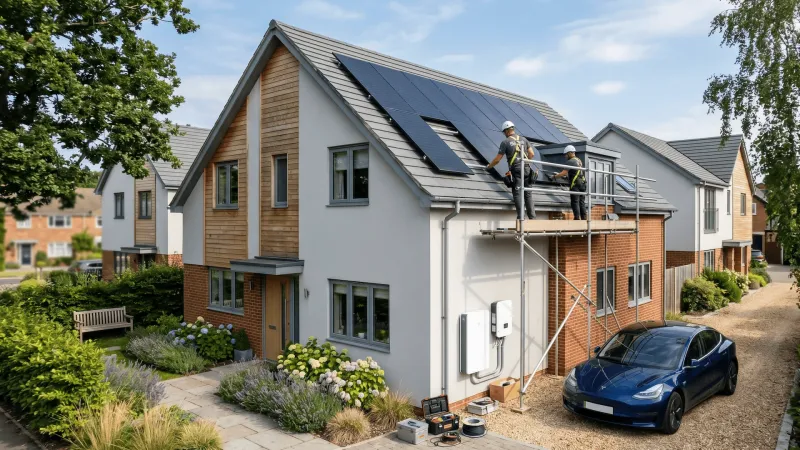
Our qualified team installs your complete system efficiently, typically within two to three days. We connect and commission both the solar and battery elements together, test all outputs, and walk you through how to monitor and manage your system. As a result, your home begins generating, storing, and using its own energy from day one.
What Is a Solar and Battery Bundle?
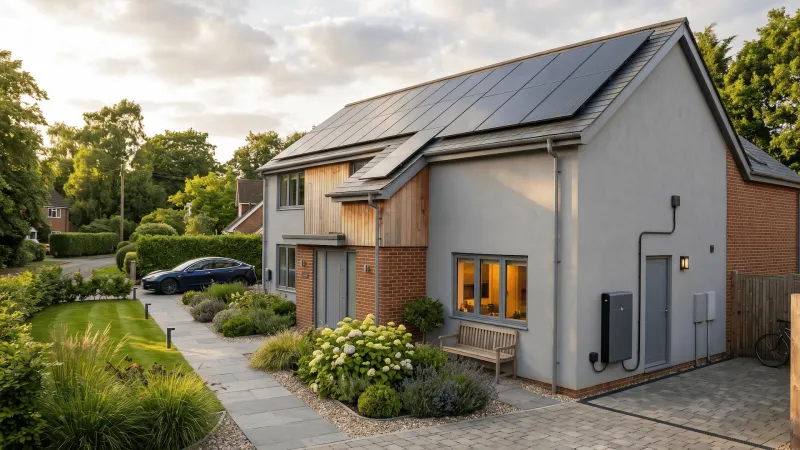
A solar and battery bundle is a complete home energy system that combines photovoltaic (PV) solar panels with a home battery storage unit. Rather than treating these as separate purchases, a bundled installation integrates both technologies into a single, optimised setup from the outset.
A complete system typically includes:
- Solar panels (PV modules) generating electricity from daylight
- A hybrid or solar inverter managing energy flow
- A home battery storage unit storing unused solar energy
- Smart monitoring to track generation, usage, and storage in real time
- Mounting systems secured to your roof structure
The battery charges automatically during the day using surplus solar energy. In the evening, overnight, or during periods of low generation, your home draws from the battery rather than the grid. As a result, the proportion of your energy needs met by your own system increases substantially compared to solar alone.
Key Benefits of Solar Panels With Battery Storage
Maximised Self-Consumption
Without a battery, a typical solar system might cover 30 to 50 percent of a household's energy needs. With battery storage for solar panels, that figure can rise to 70 to 85 percent, dramatically reducing the amount of electricity purchased from the grid.
Greater Energy Independence
Storing your own energy means your home is less exposed to grid price fluctuations. In practice, you draw on electricity you generated yourself rather than purchasing it at peak rates, giving you a meaningful degree of control over your energy costs.
Stronger Long-Term Financial Returns
A solar and battery package delivers a stronger return on investment than solar alone. The additional upfront cost of the battery is offset by the significant increase in self-consumption, which directly reduces your electricity bills over the life of the system.
Evening and Overnight Coverage
One of the most practical advantages of adding battery storage is the ability to use solar energy after dark. Stored energy covers evening usage, reducing the need to switch to grid electricity at the end of the day.
Smart Export and Grid Flexibility
With smart tariffs and export agreements, battery systems can also be programmed to charge from the grid during cheap overnight rates and discharge during expensive peak periods. Additionally, any truly surplus energy can still be exported to the grid via the Smart Export Guarantee, generating a further income stream.
Resilience During Outages
Some battery systems offer backup capability, maintaining power to essential circuits during a grid outage. This adds a layer of resilience that solar panels alone cannot provide.

Why Install Solar and Battery Together Rather Than Separately
A common question homeowners ask is whether to install solar first and add a battery later. In practice, installing both together delivers several advantages over a phased approach.
Firstly, the installation costs are lower when both systems are fitted at the same time. Separate installations mean two sets of labour, two sets of scaffolding, and potentially two sets of grid notifications. Combining them into a single solar panel and battery installation reduces overall project cost.
Secondly, a system designed from the outset to include battery storage can be optimised more effectively. The inverter, panel output, and battery capacity can all be matched precisely, rather than retrofitting a battery to a system that was not originally designed with storage in mind.
Additionally, 0% VAT currently applies to qualifying solar and battery installations, providing a meaningful saving on the combined system cost.
Costs and Return on Investment
The cost of a solar panels with battery storage system depends on the size of the solar array, the battery capacity, and the components chosen.
Using current Simcott pricing as a guide, a typical family-home bundle usually falls into one of these brackets:
- around £7,100 for a 10-panel system with a 5.76kWh battery
- around £7,800 to £8,600 for a 10-panel system with a 9 to 10kWh battery
- around £8,250 to £9,050 for a 12-panel system with a 9 to 10kWh battery
More complex roofs, split arrays, premium products, or electrical upgrades can push the final figure higher.
Savings and Payback
For an average family home, a correctly sized solar and battery system will often deliver:
- around £700 to £1,000 a year in lower electricity costs and export income
- a broad simple payback range of around 9 to 13 years
- around £14,000 to £20,000 in gross 20-year bill savings and export income at today’s prices
Additionally, Smart Export Guarantee payments can provide an extra income stream for exported electricity, as long as the home has an eligible MCS-certified system and a compatible meter that can record export.
Homes with EV chargers, heat pumps, strong daytime or evening electricity demand, and well-used smart tariffs can do better than these estimates. Lower-occupancy homes, shaded roofs, or poor tariff selection can do less.
Because batteries do not last as long as solar panels, long-term net savings should also allow for a battery replacement at some point during the system life.
How Battery Storage Works With Solar
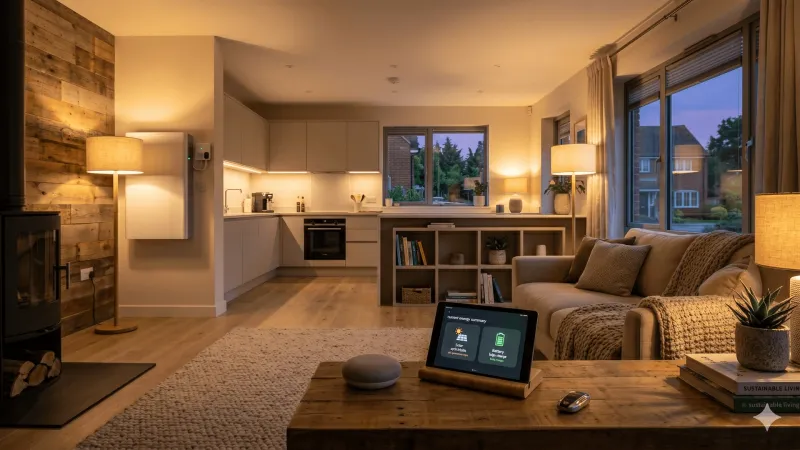
Battery storage for solar panels operates through a straightforward energy management cycle. During daylight hours, your solar panels generate electricity. Your home uses what it needs in real time, and any surplus is directed to the battery rather than exported. Once the battery is full, any remaining surplus is exported to the grid.
In the evening, when solar generation drops, your home automatically switches to drawing from the battery. The battery continues to supply your home until it reaches its minimum charge level, at which point the system switches to grid supply. Overnight, if you are on a smart tariff, the battery can be programmed to top up from the grid at the lowest available rate, ready for the following day.
In practice, this cycle means your home is optimising its energy use continuously, without any manual intervention required.
Combining Solar, Battery and Heat Pumps
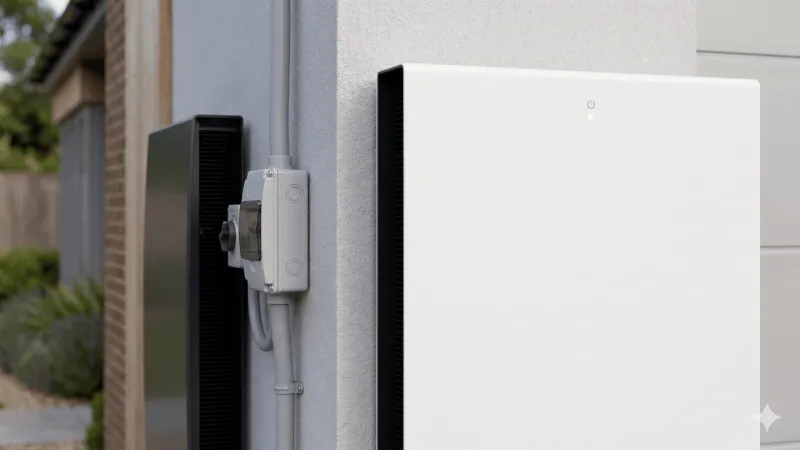
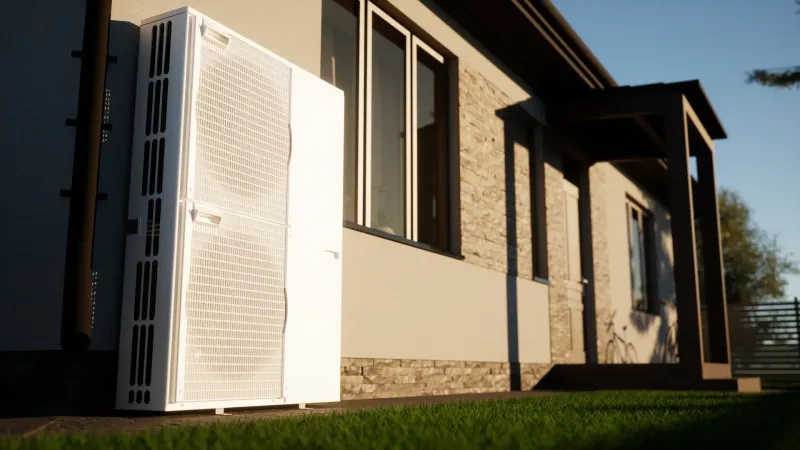
For homeowners also considering low-carbon heating, combining heat pump and solar panels with battery storage creates the most complete and efficient home energy system available. Solar generation powers the heat pump during the day, reducing the electricity cost of running it significantly. Battery storage extends that benefit into the evening and overnight, further lowering the overall running cost of your heating system.
As a result, homeowners who invest in a full integrated system, solar, battery, and heat pump together, often achieve the greatest long-term savings and the strongest degree of energy independence. At Simcott Renewables, we design and deliver integrated systems across Essex, helping homeowners bring all three technologies together in a single, well-planned installation.
Why Choose Simcott Renewables for Your Solar and Battery Bundle
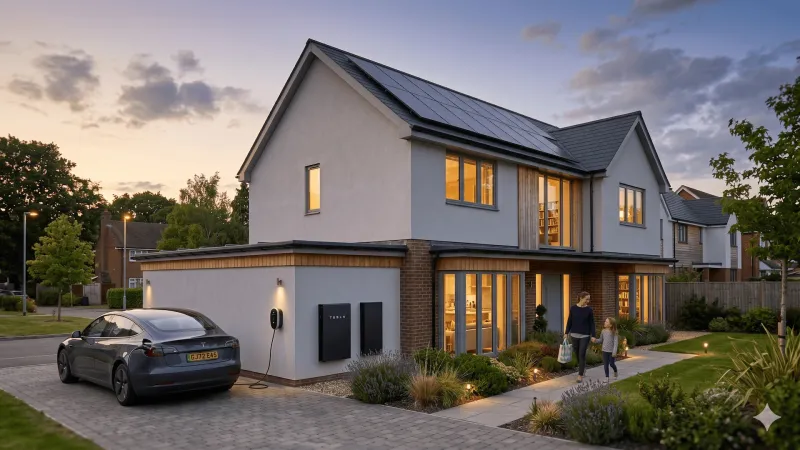
Choosing the right solar battery installer means working with a team that understands how to optimise a complete system, not just fit individual components. At Simcott Renewables, we take a whole-system approach, ensuring your solar panels and battery storage are designed, sized, and installed to work together as effectively as possible.
We provide:
- MCS-certified solar panel and battery installation for full compliance
- High-quality components from trusted manufacturers
- Detailed energy assessments and accurate savings projections
- Smart monitoring setup and full system handover
- Transparent pricing with no hidden costs
- Local expertise across Essex and nearby areas
Every system we install is designed around your home's actual energy usage, not a generic template. In practice, this means better performance, stronger savings, and a system that genuinely delivers on its long-term promise.
Speak to Simcott Renewables
A solar panel system is a strong first step. A complete solar and battery package is where the real long-term value lies. If you are considering solar panels with battery storage for your home in Essex, the next step is a straightforward assessment of your property and energy usage.
Speak to Simcott Renewables today and find out how a complete solar and battery system can work for your home.
Frequently asked questions
Frequently asked questions
How much could I save with solar panels and battery storage?
Can solar panels with battery storage power my home during a power cut?
Can solar panels increase my property value?
How long does solar and battery installation take?
Will scaffolding be needed for solar and battery installation?
Can I fit solar and battery storage on a flat roof?
Is it worth installing solar and battery together rather than separately?
How much does solar and battery storage cost in the UK?
Can I add battery storage to existing solar panels later?
How does Smart Export Guarantee work with battery storage?
Home Solar Panels
Learn about home solar panel installations from Simcott Renewables. See options, benefits, proof and the best next step for your property in Essex.
Battery Storage
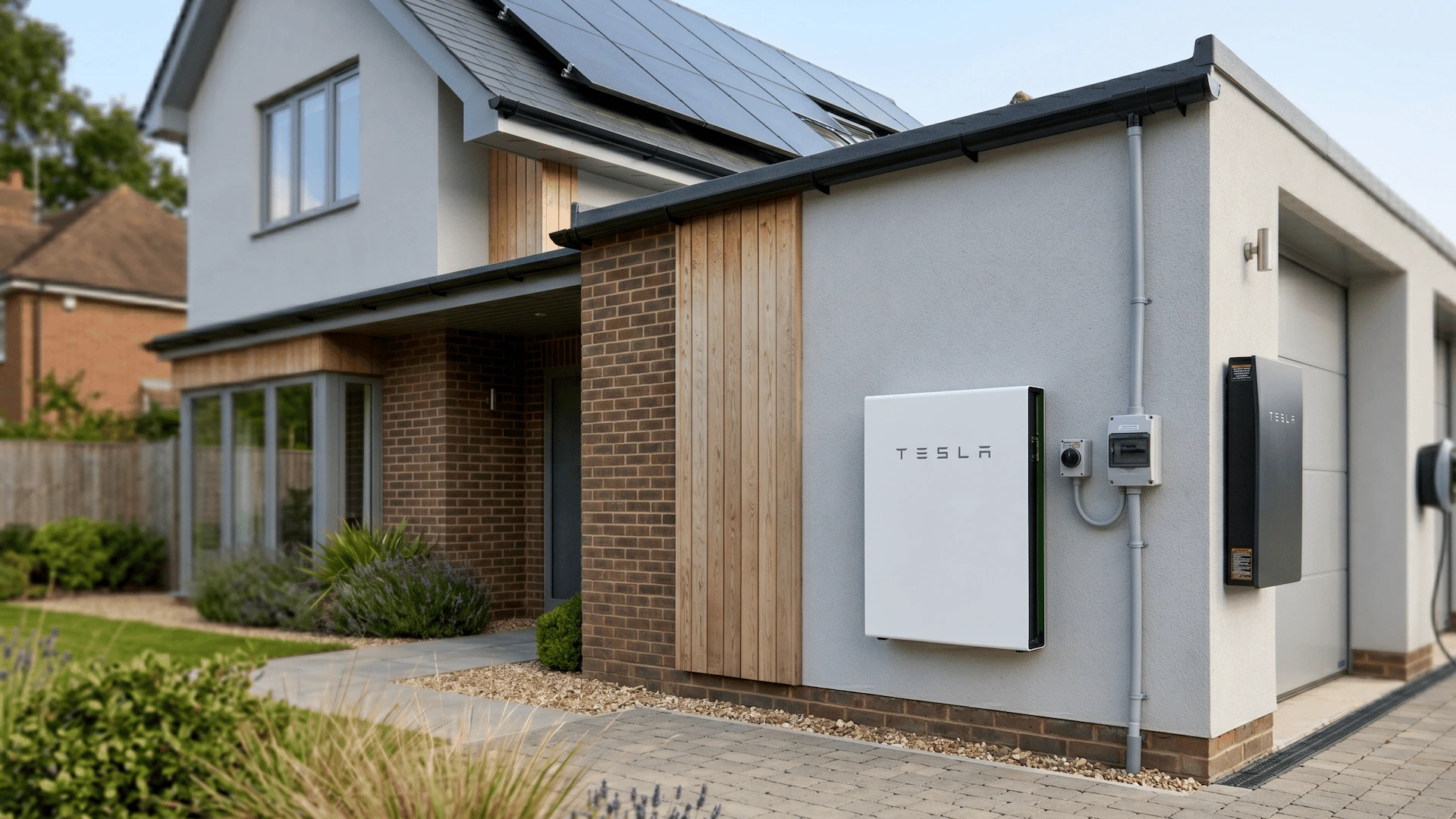
Learn about home battery storage from Simcott Renewables. See options, benefits, proof and the best next step for your property in Essex and nearby areas.
Heat Pump Installation
Learn about heat pumps from Simcott Renewables. See options, benefits, proof and the best next step for your property in Essex and nearby areas.
Commercial Solar Panels
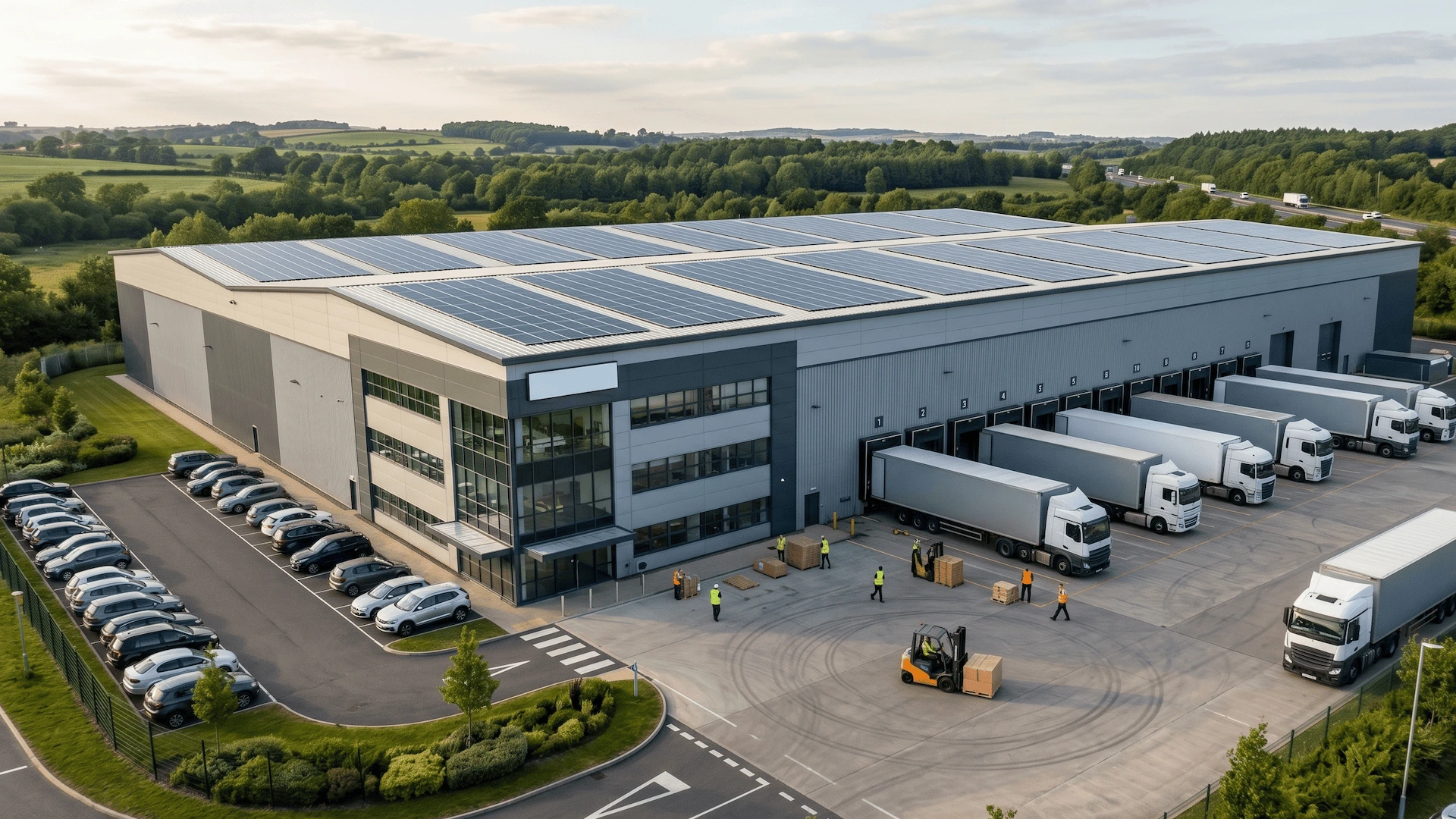
Commercial solar panels designed to reduce energy costs, improve efficiency and support long-term business energy strategies across the UK.
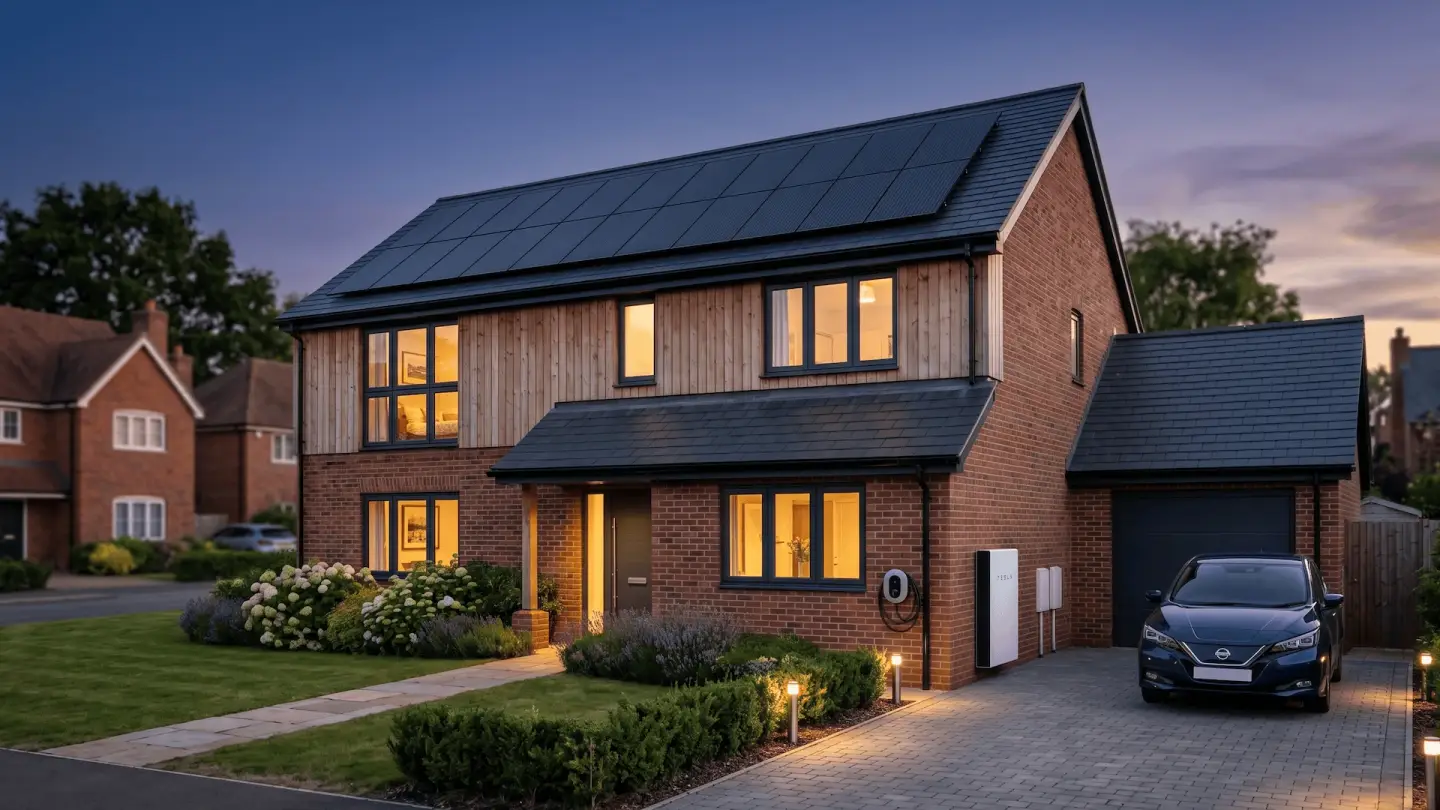
Solar & Battery Bundles
Learn about solar & battery bundles from Simcott Renewables. See options, benefits, proof and the best next step for your property in Essex and nearby areas.